
Soil inputs
Five foundational liquid inputs form the core of our soil restoration system, each with a defined job: soil biology, cover establishment, water movement, micronutrients and sulphur.
The ground beneath your harvest
purSoil Technologies supplies liquid soil inputs and practical agronomic support for farms, rangeland and disturbed land. Our focus is soil biology, organic matter, structure and nutrient balance: the conditions plants need to establish and grow.
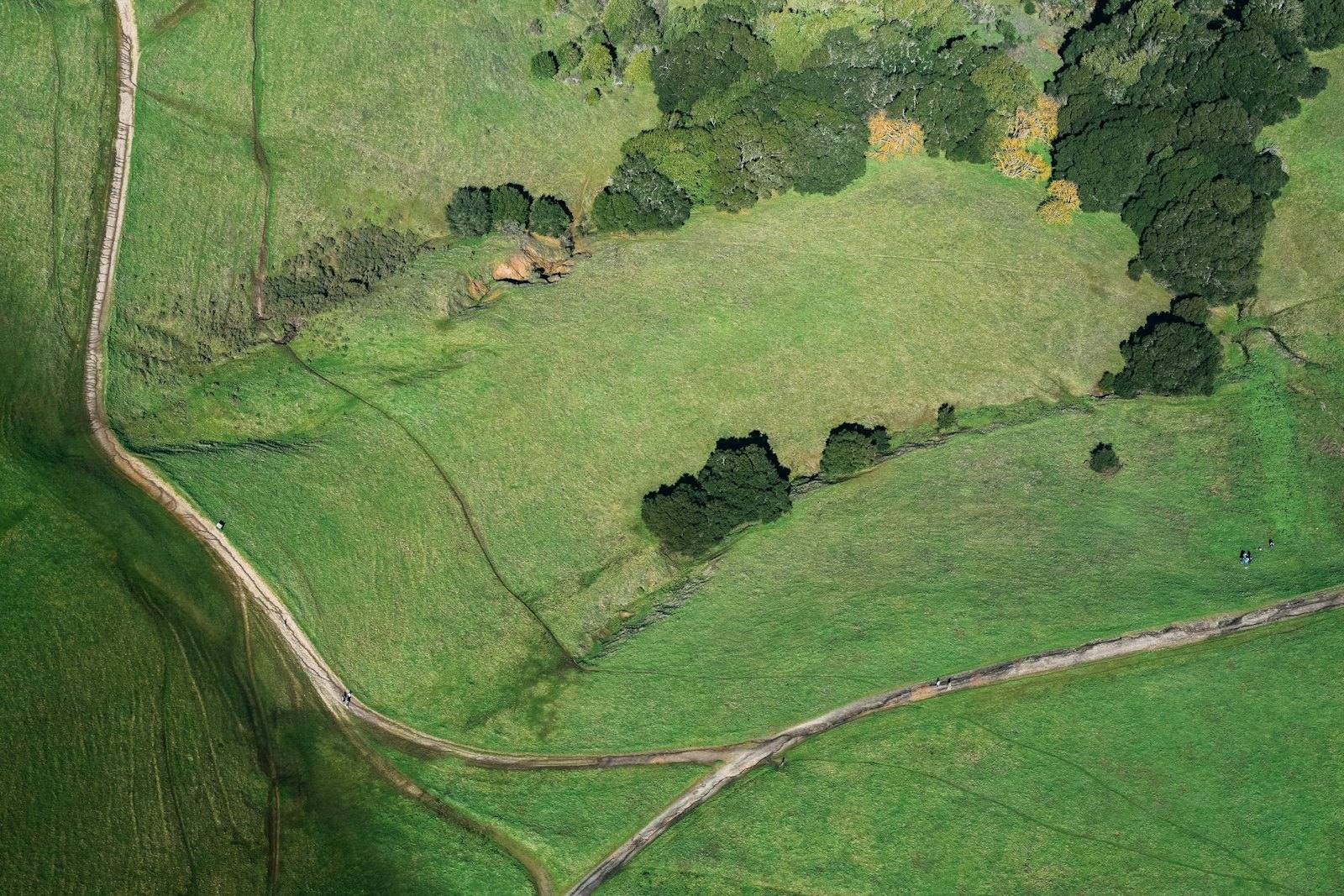
Five foundational liquid inputs form the core of our soil restoration system, each with a defined job: soil biology, cover establishment, water movement, micronutrients and sulphur.
Soil-test-led recommendations, application planning and follow-up for conventional, hybrid and organic operations.
Planning and support for land being returned to pasture, cover or cropping after disturbance.
Topsoil / organic layer
Root zone
Subsoil
RS-2
Cover establishment
RS-1
Soil biology
RS-4
Micronutrients
RS-5
Sulphur
RS-3
Water movement

Medicine Hat, Alberta, Canada
Conventional grain operation, 4,500 acres, in the semi-arid Palliser's Triangle.

Zambia
Second-generation farmer in a severe drought.
Dharwad, India
Randomized block trial with three replications, sown 6 December 2012.
Have land or crops that need soil work? Contact purSoil Technologies.